An Editorial Look At A Village Habit
Men Expect Modern Fixes For Aging — Yet One Village Kept Returning To baking soda - honey gelatin Instead
This piece looks at how baking soda – honey gelatin became a recurring evening habit passed down in one long-standing village routine, without suggesting it treats, cures, or prevents any condition related to aging.
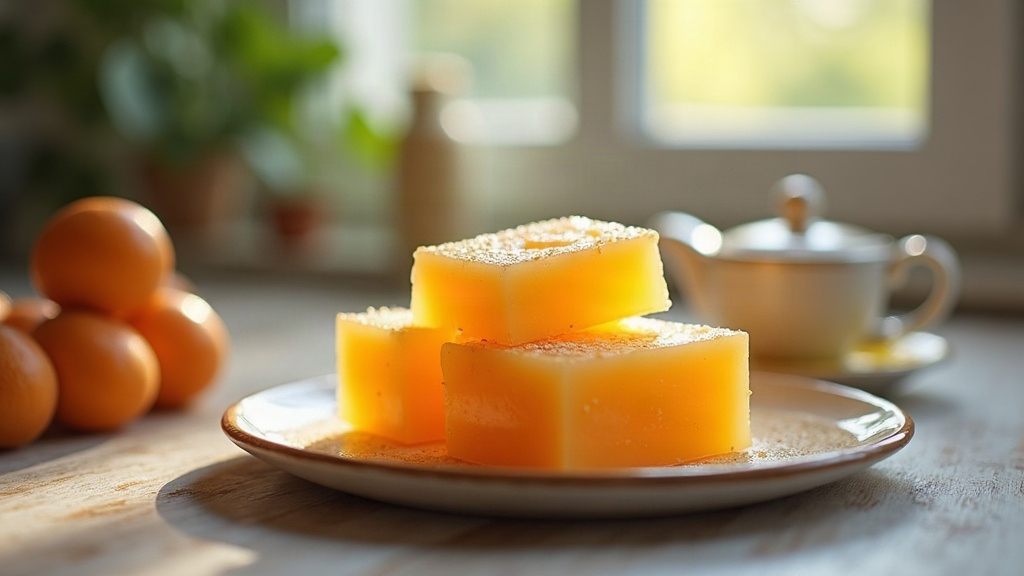
What Changes After 50 That Rarely Gets Talked About
An editorial observation, not medical advice — these are experiences many men describe as they get older.
Energy That Feels Different By Afternoon
Many men notice their pace slows down as the day goes on, even when their schedule hasn't changed much.
Sleep That Doesn't Feel As Restorative
Waking up still feeling tired is a common complaint among readers who write in about their nightly routines.
A Body That Responds Differently To The Same Routine
Habits that once felt effortless can start to feel like they require more deliberate effort.
Mornings That Start Slower Than They Used To
Some men describe needing more time to feel fully alert after waking, compared to years prior.
Signs Worth Paying Attention To
Fatigue That Doesn't Lift With Rest
If tiredness persists regardless of sleep, it may be worth discussing with a healthcare professional.
Noticeable Changes In Appetite
Sudden shifts in hunger patterns are sometimes overlooked but worth mentioning at a checkup.
Joint Stiffness That Lingers Longer
Stiffness that doesn't ease after normal movement can be a signal to pay closer attention to.
Mood Shifts Without A Clear Cause
Unexplained irritability or low mood is worth tracking rather than dismissing.
Difficulty Concentrating During The Day
Trouble focusing on routine tasks is a common but often ignored signal.
Reduced Interest In Usual Activities
A gradual pullback from hobbies or routines is something many men notice only in hindsight.
Myths And Facts Men Over 50 Often Repeat
A quick look at a few common assumptions, compared with what’s actually understood.
Aging habits from other cultures are just folklore with no real basis.
Many traditional routines, including baking soda – honey gelatin preparations, were simply part of everyday household practice, passed down without formal explanation.
If a habit isn’t backed by a modern brand, it isn’t worth mentioning.
Some routines were maintained for generations purely through repetition and local custom, independent of commercial products.
Older habits are outdated and irrelevant to today’s lifestyle.
Many simple routines from decades past are still practiced quietly by families who never stopped following them.
How This Village Habit Is Typically Practiced
A general description of the routine as it has been passed down, presented for educational purposes only.
Evening Preparation
The mixture is traditionally prepared in the evening, using simple pantry ingredients kept on hand.
Consistent Timing
Villagers who followed this habit describe doing it at roughly the same time each day, treating it as a small ritual.
Ongoing Repetition
The habit was maintained over long periods, more as routine than as a response to any specific concern.
Where The Habit Comes From
In one small, long-standing village, evening routines often included a simple household mixture involving baking soda and honey gelatin. There was no formal explanation passed down — just a habit repeated by grandparents, then parents, then their children. Ingredients were inexpensive and already present in most kitchens, which likely contributed to how easily the practice spread and persisted across generations.
What stands out in accounts like these isn’t a claimed effect, but the consistency of the ritual itself — a small, repeated act woven into daily life rather than treated as a remedy.
Reader Accounts From Men Who Tried The Routine

Illustrative composite examples. Individual results vary. Not a guarantee.
Frequently Asked Questions
It refers to a simple household mixture combining baking soda and honey gelatin, historically prepared at home using basic pantry ingredients.
This article discusses a traditional household habit for educational and historical interest, not as a scientifically validated treatment.
No. Nothing in this article should be interpreted as treating, curing, preventing, or diagnosing any medical condition.
The habit was commonly observed among older generations in certain villages, which is why it’s often discussed in that context.
Yes. Speaking with a qualified healthcare professional is always recommended before changing any daily routine.
Traditional practices like this were rarely standardized; preparation varied from household to household.
The full article explores the origin, cultural context, and general practice in more detail.
Continue Reading About This Habit
Explore the full editorial piece on baking soda – honey gelatin and the village routine behind it — presented for informational purposes only.
Advertising Disclosure: This is sponsored content and may contain affiliate links. We may receive compensation if you click on or make purchases via links on this page. This content is provided for informational and editorial purposes.
Content Disclaimer: This content is for educational purposes only and has not been evaluated by the FDA. It is not intended to diagnose, treat, cure, or prevent any disease. Always consult a qualified healthcare professional before making changes to your health routine.
Results Disclaimer: Individual results vary. Testimonials and examples shown are illustrative and are not a guarantee of any specific outcome.
© 2026 · All Rights Reserved